









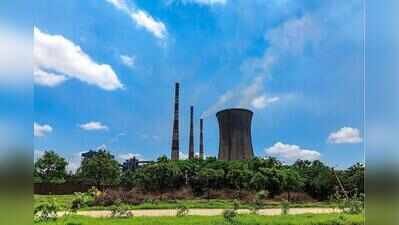
Ballari: Ballari Thermal Power Station (BTPS), Raichur Thermal Power Station (RTPS) and Yaramaras Thermal Power Station (YTPS) are operating at summer-level generation despite the monsoon, with average daily electricity demand in Sept up nearly 42% from a year ago amid weak rainfall, unseasonal heat and increased irrigation pumping.Normally, electricity demand falls during the monsoon, allowing thermal power stations to ease generation after summer. This year, however, thermal plants continue to operate at levels typically seen during the peak summer months.Three months into the monsoon, many districts continue to face a severe rainfall shortage. Rising temperatures have increased power demand, while farmers across more than 200 drought-hit taluks are running high-power irrigation pump sets round the clock to save drying crops.The state relies heavily on hydroelectricity, but continuous weak monsoons since June, culminating in an 81% rainfall deficit this monsoon season, have left major catchments dry. Reservoir storage levels have plummeted, severely limiting the state’s ability to generate cheaper hydropower.According to Narayana, in-charge chief executive director of BTPS, increased irrigation pumping, combined with high unseasonal heat, has pushed the state’s peak electricity demand to an unprecedented 19,000 MW this Sept.The average daily demand last year—239.2 million units in July, 214.7 million units in Aug and 234.4 million units in Sept—rose this year to 288.9 million units in July and 290.3 million units in Aug and Sept 2026 has recorded an average daily demand of 331.9 million units, he explained.The sharp rise has forced thermal power stations to sustain high generation to meet the state’s electricity requirement. The state is currently consuming an average of around 331 million units of electricity a day, of which about 126 million units are being generated daily within the state. The remaining requirement is being met through power supplied by some hydel power plants and from other states.“Demand for power generation at BTPS has increased amid the prevailing conditions. There is currently no shortage of coal,” Narayana said.