




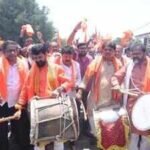

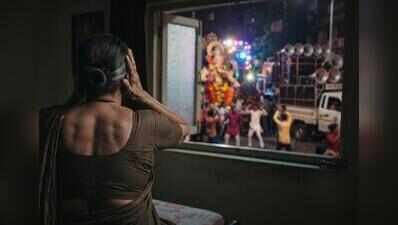
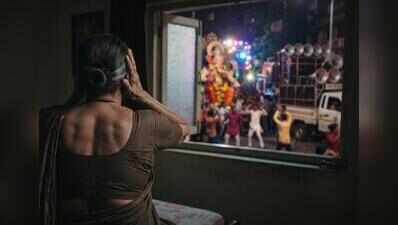
Mumbai: Ganeshotsav used to mean celebration for 48-year-old Kandivli resident Sonu Gupta. Now, she says, it means putting on noise-cancelling headphones and waiting for the sound to end. Gupta says she has developed ear pain and sensitivity to loud sound over the last few years, and an audiography has shown some deterioration in her hearing. Even industry-grade noise-cancelling headphones, she says, offer little relief when the dhols and DJs start.Her experience comes as DJs once again find themselves at the centre of a noise pollution debate. But activists say the focus on DJs risks obscuring the larger issue: it is amplification and level of noise, rather than the instrument itself, that determines the residents exposure.“It is not about whether you are using a DJ or traditional instruments. We are talking about decibel levels,” says noise pollution activist Sumaira Abdulali, who has campaigned against noise for more than two decades. “I will not say ban the instruments but ban the loudspeakers.”The distinction matters because the law does not distinguish between a DJ and a dhol-tasha. Dhols played without amplification can themselves register around 85 to 90 decibels, Abdulali points out. Amplified sound can cross 100 decibels, with some metal percussion going higher. The maximum permissible noise limit in residential areas is 55 decibels during day and 45 decibels at night.The risk, she says, depends not only on a single decibel reading but also on the intensity and duration of exposure.The noise eventually became a reason for 69-year-old Kiran Martis to leave Mumbai. She recalls speakers at different venues competing with one another, while Ganpati processions brought DJs and drums late into the night. The unpredictability and what she saw as a lack of sustained enforcement made the area, in her words, “unlivable”.Police say they assess noise complaints by comparing readings taken at the same location under normal conditions with those recorded after a complaint. Teams maintain baseline readings for daytime and nighttime, as well as periods of heavier traffic, and compare them with the level recorded when they receive a complaint.The permissible limit varies by time of day and zone type, including residential, commercial, industrial, and silent zones. But the limit does not change depending on whether the sound comes from a DJ, dhol-tasha or another instrument, the officer said. Police teams have trained personnel to take decibel readings and are monitoring noise levels as Ganpati celebrations intensify.The issue, however, goes beyond a number on a meter for residents living along procession routes. Abdulali recalls an elderly man who lived with his mother, then in her 90s, and threatened suicide because he could no longer cope with the noise from a Ganpati procession. After she intervened, the procession route was diverted.In another case, she says, a woman suffered a severe psychological episode triggered by the noise of a procession.Yet, Abdulali says, many residents hesitate to complain, fearing confrontation with organisers or neighbours. She says citizens can document excessive noise collectively; record the time and location, use decibel-meter apps and approach the police. “If an app reading is disputed, they can ask authorities to take an official measurement,” she says.Even those who make a living from sound accept that excessive volume is a problem. “Loud sound se taklif sabko hai, humko bhi hai,” says Milind, who has run Om Sound & Lights since 2003. He provides sound systems for live performances and outdoor events, but says his own shows stop at 10pm. The problem, he says, is less about having rules than making sure they are clear and enforced.Brihanmumbai Sarvajanik Ganeshotsav Samanvay Samiti joint secretary Nikhil Morye says mandals must keep sound systems within legal limits. “But monitoring more than 12,000 celebrations across the city is difficult, particularly when traffic, honking and crowds raise ambient noise,” he says.Dhol-tasha performers, meanwhile, reject the idea that traditional percussion should be singled out. Vaibhav Sahasrabuddhe, who has been part of a dhol-tasha group for 14 years, acknowledges that the instruments are loud but says their sound is softer than amplified DJ music.“I’m not saying that there is no loud sound in this… but dhol-tasha ka sound thoda kam hai… DJ se thoda soft hai aur madhur hai,” he says.Abdulali, however, says the answer is not to pit DJs against dhol-tasha. “Nobody is against celebrations,” she says. “Just don’t let it become another resident’s distress.”PERMISSIBLE NOISE LIMIT IN RESIDENTIAL AREASDay: 55dBNight: 45dBUNAMPLIFIED SOUND LEVELSSingle dhol: 98-104.5dBSingle tasha: 102-105.7dBDhol-tasha troupe: 105-113.7dBBrass band: 90-100dBDJ (AMPLIFIED)105-128+dB