








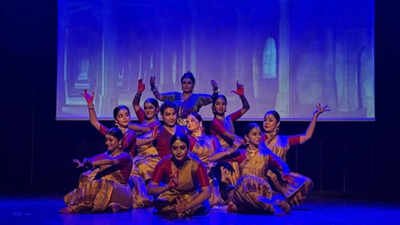
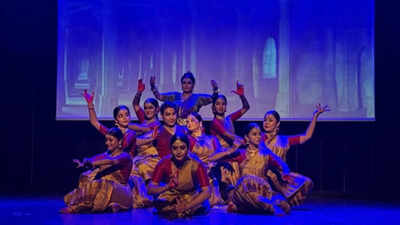
Delhi’s dance community gathered for an enchanting evening of classical dance at Stein Auditorium, IHC. Padma Bhushan Awardee Swapnasundari, founder of Vilasini Natyam, delivered a masterclass in storytelling through movement—one that reminded audiences why this ancient art form still captivates.The evening opened with Parijatham, a dance drama that captures the emotional landscape of Krishna’s devoted consort. Swapnasundari brought Satyabhama’s pride, jealousy, possessiveness, and overwhelming love to vivid life through nuanced abhinaya. Every gesture—aided by handcrafted wooden ornaments and costumes evoking royal grandeur—told a story of longing and devotion.An ancient ritual reimaginedThe second piece, Sarve Jana Sukhino Bhavanthu, shifted focus to the Agama Baliharanam ritual. Performed by students of Ganesa Natyalaya and Kuchipudi Dance School and choreographed by Swapnasundari, the work wove together movement, audio-visuals, and narrative to reveal a timeless message: a universal prayer for peace and harmony among all humanity.
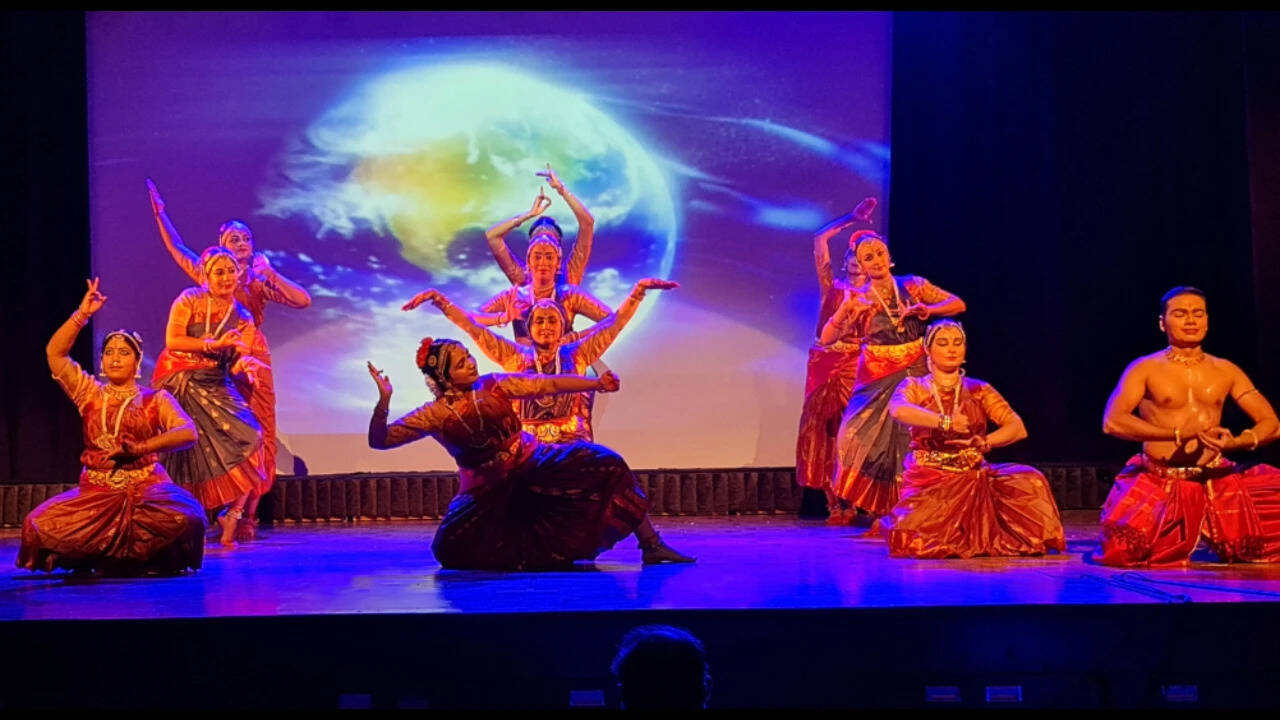
The second presentation, Sarve Jana Sukhino Bhavanthu, represented an entirely new artistic vision.
The second presentation, Sarve Jana Sukhino Bhavanthu, represented an entirely new artistic vision. Performed by students of Ganesa Natyalaya and choreographed by Swapnasundari, the work showcased the ancient Agama Baliharanam ritual—a form Swapnasundari has named “Agama Bharatham” to denote ritualistic dance specific to agamic worship. The piece wove together movement, audio-visuals, and narrative to reveal the context and meaning of ancient ritual. At its core: a universal prayer for peace, equanimity, and harmony among all humanity.Honouring a legacyThis work emerged from a 10-day workshop Swapnasundari conducted with Ganesa Natyalaya students. Rama Vaidyanathan, co-founder of the Madhavi Festival, spoke to the significance of the evening: “The Madhavi Festival has always celebrated the depth and diversity of Indian dance. Presenting Vilasini Natyam by Swapnasundari is an honour. These works remind us that dance can be both prayer and pedagogy—uniting performers and audiences in a shared aspiration. We are honoured to bring these rare ritual forms and the artists who keep these traditions alive.”
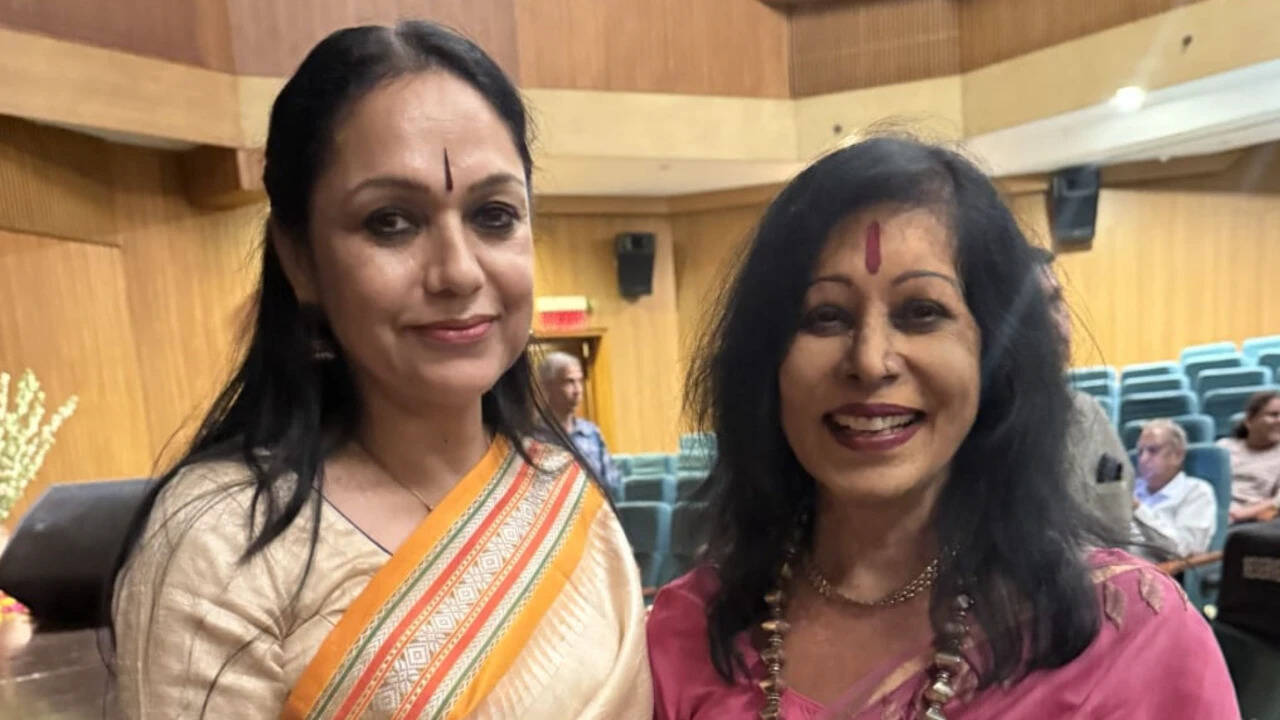
Rama Vaidyanathan and Shovana Narayan
The audience reflected Delhi’s serious dance community—Kathak exponent Shovana Narayan, critic Leela Venkatraman, Bharatanatyam dancer Rama Vaidyanathan, Mohiniyattam artist Deepti Omcherry Bhalla, and Dr. Sridhar Vasudevan, among others.
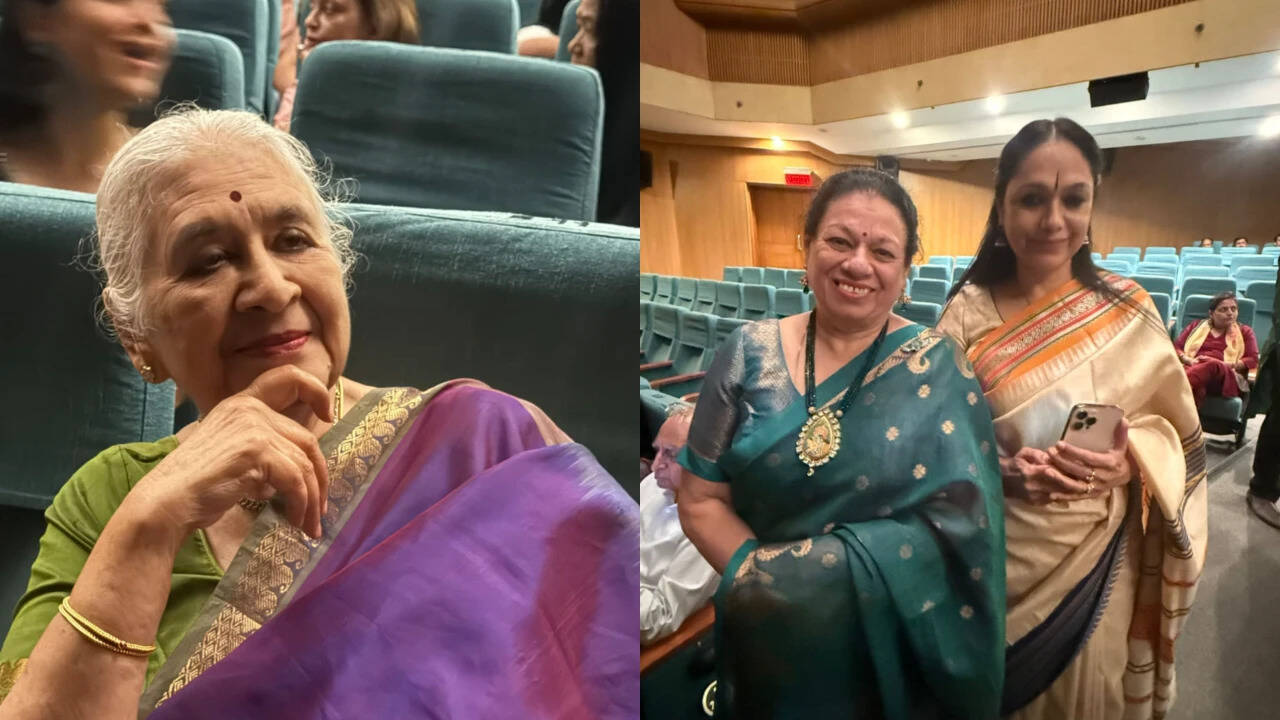
Leela Venkatraman, Meera Khanna with Rama Vaidyanathan