







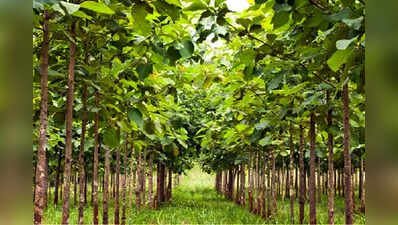
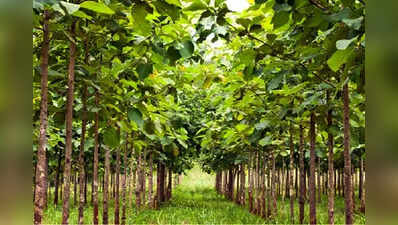
Ranchi: Jharkhand State Pollution Control Board’s (JSPCB) flagship sustainability initiative, GreenTrack, has helped sequester more than 16,180 kg of carbon dioxide in its first year, officials said.Launched in 2025, the programme aims to make Jharkhand a national model for carbon-neutral development by bringing the govt, industries and rural communities together.Under GreenTrack, industrial units are required to identify households in areas where they operate and organise teak plantation drives with local residents. Over the past year, 27 companies have joined the initiative, leading to the planting of more than 800 teak saplings in Ranchi, Jamshedpur, Bokaro, Dhanbad, Ramgarh, Giridih, Chaibasa and Hazaribag.Each sapling is geo-tagged, allowing the companies and JSPCB to monitor its growth through the official portal, cepcb.in.JSPCB officer on special duty Sanjay Srivastava said the programme had two objectives — reducing carbon emissions and creating a long-term source of income for villagers, given the high market value of teakwood.“Teak trees are not only effective carbon sinks but also have high commercial value,” Srivastava said.A mature teak tree can absorb up to 3.6 tonnes of carbon dioxide over 20 years, according to the board. The plantations are also expected to trap particulate matter and fly ash, reduce dust, provide shade and help lower local temperatures.The board plans to plant at least 10,000 trees over the next five years. Its projections indicate that every 1,000 trees planted could sequester 100 tonnes of carbon dioxide, protect and restore two hectares of land, and support local rainfall and biodiversity.To encourage participation, companies involved in the programme are holding meetings with villagers. The sessions explain the long-term environmental benefits of the plantations and how teakwood, once mature, could provide families with a valuable financial asset.The initiative is also expected to strengthen community involvement in environmental protection by giving villagers a direct stake in the survival and growth of the trees planted in their areas. JSPCB said monitoring would continue through the portal.