









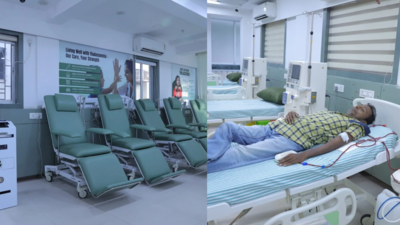
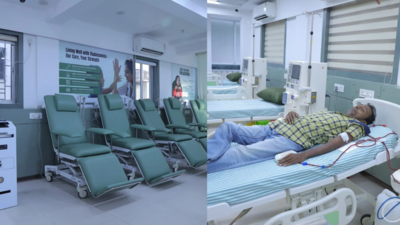
KOLKATA: Dialysis services at Rs 200 per session have begun as part of the full-fledged operations at a day care facility in south Kolkata, aiming to reduce the recurring cost of treatment for patients requiring long-term renal care.The RDB Nahar JITO Day Care Centre, located at 12/1, Ramesh Mitra Road near Bhowanipur Post Office, has moved its dialysis unit from the trial phase to regular operations. The facility currently has 12 dialysis machines and can handle up to 42 patients a day. At present, it is serving around 36 to 38 patients daily.The subsidised dialysis service is intended particularly for patients from economically weaker sections, for whom repeated dialysis sessions often create a significant financial burden. The centre also plans to add two more dialysis machines to meet rising demand and increase the number of patients who can receive treatment at the subsidised rate.The commencement of services was marked on Wednesday in the presence of state Urban Development and Municipal Affairs Minister Agnimitra Paul, along with Vinod Dugar, president of RDB Nahar JITO Day Care Centre; Bhaven Kamdar, honorary general secretary; and Pradeep Patwa, convener of the centre.The facility brings together three specialised healthcare units under one roof — Kiran Devi Dharam Chandra Pugalia Dialysis Centre, UCO Bank Dialysis Centre and Manaswi Dugar Thalassemia Centre. The combined setup is designed to support patients who need regular, long-term medical care.Alongside the dialysis unit, the Manaswi Dugar Thalassemia Centre will provide dedicated care for thalassemia patients. An entire floor has been dedicated to thalassemia care by Sheetal Dugar, Chairperson of JITO Ladies Wing Apex, inspired by her daughter Manasvi Dugar’s experience with the condition.Vinod Dugar said the beginning of full-fledged services was aimed at ensuring that financial constraints do not prevent patients from accessing essential treatment, especially those who require repeated care over a long period.Minister Agnimitra Paul said such initiatives have a role in improving access to essential healthcare and can help patients from economically weaker sections receive necessary treatment with greater ease.