








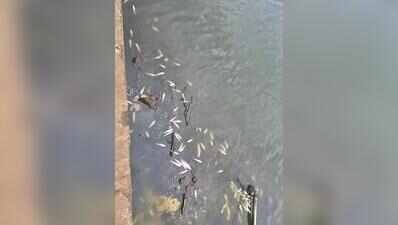
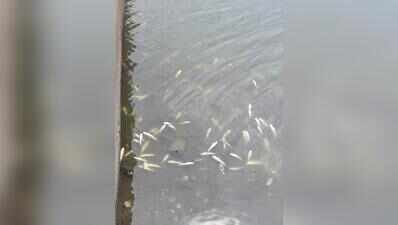
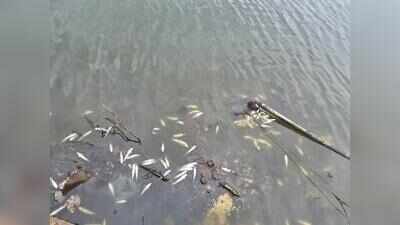
Pune: Days after dead fish were found floating in Mula river, a similar mass fish kill was spotted in Indrayani river near Alandi temple, raising fresh concerns over the region’s spiralling river pollution.The dead fish were discovered just meters away from Alandi temple, a prominent pilgrimage site that draws hundreds of thousands of devotees from across Maharashtra. Environmental activists stated that such incidents have become alarmingly frequent, alleging that local authorities have failed to curb illegal discharge of pollutants into the water.Prashant Raul of Green Army environmental group spotted the dead fish during a visit to the riverside on Saturday. He noted that despite reporting similar incidents to the authorities in the past, no concrete improvements have been made.“Untreated effluent entering from Pimpri-Chinchwad Municipal Corporation (PCMC) limits through Ram Zara nullah, combined with sewage from upstream villages, is the primary driver of pollution in Indrayani,” Raul said.Raul emphasised that fish deaths are particularly concerning during the monsoon season. Increased water flow from dam releases typically prevents stagnant conditions associated with such die-offs. He added that the foul odour emanating from the river has become so severe that standing near the banks is now difficult for pilgrims and residents alike.The latest ecological crisis follows a comprehensive three-year research study that flagged a severe and persistent deterioration in Indrayani’s water quality. The study, conducted between 2022 and 2024 by PhD scholar Kiran Ghotkule and his colleagues, analysed the river across various stretches.The scientific assessment revealed a stark upstream-to-downstream degradation. While upstream testing stations recorded “good” water quality—maintaining a water quality index (WQI) below 50—downstream stretches consistently plummeted into “very poor/unsafe” category, with WQI levels breaching the 250–300 mark.According to the study, critically high levels of biochemical oxygen demand (BOD) and chemical oxygen demand (COD), alongside heavy nitrate enrichment and critically low dissolved oxygen, indicate severe eutrophcation in the lower reaches.The research identified the root causes as untreated domestic sewage, agricultural runoff, and toxic industrial effluents originating from Talegaon-Chakan-Pimpri-Chinchwad industrial belt.