





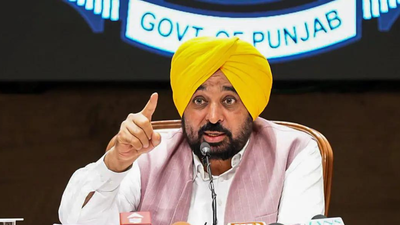
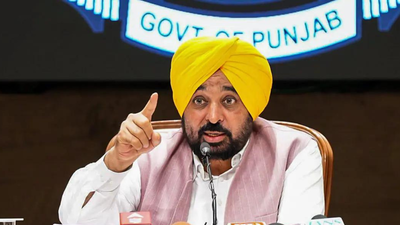
The Bhagwant Mann-led Punjab government has nominated 11 non-official members to the State Mental Health Authority (SMHA), bringing patients, caregivers, mental health professionals and NGOs into the state’s apex statutory body overseeing mental healthcare.The reconstituted authority will oversee implementation of the Mental Healthcare Act, 2017, and monitor, regulate and improve mental health services in the state. The move comes as Punjab expands its mental health and de-addiction services under its flagship Yudh Nasehan Virudh programme.The 11 nominated members include representatives from psychiatry, psychology, psychiatric social work, nursing, persons with mental illness, caregivers and NGOs. The official members of the authority include senior officers from the health, medical education and social welfare departments.The SMHA is responsible for regulating mental healthcare services in Punjab, prescribing quality and service standards, registering specified mental health professionals and advising the state government on mental health policy.Dr Satyen Sharma, a senior psychiatrist and nominated member of the authority, said the new composition would have to translate the rights-based framework under the law into accessible services.“The constitution of the State Mental Health Authority is an important step towards ensuring that mental healthcare in Punjab develops with both quality and accountability at its core. The Government is giving us a clear rights-based framework, and the Authority has to translate that into services that people can actually access, trust and benefit from. This requires ensuring attention to dignity, continuity of treatment, rehabilitation and the needs of families and caregivers.”Sharma added that strengthening services at the district and community levels would be important for improving access to mental healthcare.“Mental health services have now started to reach people where they are. For a state like Punjab, strengthening services at the district and community level is particularly important so that people have access to treatment for not only physical but also mental ailments. The Authority has the opportunity to realize this objective.”Dr Satish K Thapar, a senior mental health professional and nominated member, said the state’s mental healthcare approach should account for local needs.“Punjab has its own mental health challenges, and we need solutions that are responsive to the realities of our people and communities. The government’s recent efforts to strengthen mental health and de-addiction services, and now the strengthening of the State Mental Health Authority, are positive steps in that direction. The Authority can help bring greater consistency and accountability to services across the state while ensuring that the rights and dignity of patients remain at the centre. There is considerable work ahead, and this is a good foundation on which Punjab can build a stronger mental healthcare system.”Mental Health Review Boards are also functioning at the district level, with the boards chaired by a District Judge or an eligible judicial officer.The boards provide an independent mechanism to review admissions and treatment decisions, address complaints and alleged rights violations, examine advance directives and nominated representatives, and inspect mental health establishments where required.The SMHA will provide a common regulatory framework for Punjab’s expanding mental healthcare system and is expected to focus on quality, accountability, dignity and continuity of treatment.
What do you think is the most important aspect of the reconstitution of the State Mental Health Authority?
3k+ users shared opinion today
5k+ users already voted today
3k+ users shared opinion today
The authority is scheduled to hold its first meeting with the newly nominated members in the coming week. The state government said the initiative is also part of its broader approach under Yudh Nasehan Virudh, which seeks to address substance abuse through prevention, treatment, rehabilitation and community participation.